
Court-Admissible Legal DNA Testing
What is this test?
Legal DNA testing is a court-admissible DNA test used to establish biological relationships for legal purposes such as paternity, custody, child support, probate, or court proceedings. All samples are collected following strict chain-of-custody requirements.
Who This test is for
Individuals requiring court-admissible results:
Families involved in legal or custody matters
Attorneys or courts requiring documented chain-of-custody
Immigration or probate-related cases (as applicable)
How the Process works
Appointments are scheduled through our booking system:
All parties arrive with valid photo identification
Samples are collected following chain-of-custody procedures
Samples are sent to an accredited laboratory for analysis
Results are released according to laboratory and legal requirements
How to Prepare
Bring a valid government-issued photo ID
All required participants must be present
Minors must be accompanied by a legal guardian
Avoid eating, drinking, smoking, or chewing gum for at least 30 minutes before your appointment
Confirm no blood transfusion has been done within the last 30 days
Arrive on time for your scheduled appointment
“Legal DNA testing is performed in partnership with accredited laboratories. Vessel Health & Wellness provides specimen collection and identity verification services only.”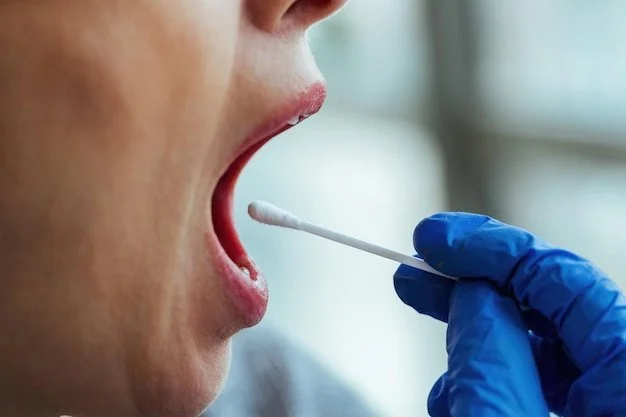
What to expect at your appointment
Appointments are private, professional, and typically take 15–30 minutes depending on the number of participants. Identity verification is required, and all samples are collected respectfully and confidentially.
Results will be emailed to consenting parties. no results will be given by phone or in-person.
How to book
Appointments must be scheduled in advance through our secure booking system. Payment for legal DNA testing is collected after identity verification at the appointment.
Additional participants (e.g., additional alleged fathers, family members, or children) can be added during booking.
Common Test Types:
Legal Paternity:
a DNA test performed under strict, court-approved procedures, including verified sample collection (usually cheek swabs) by a third party with proper ID and chain-of-custody documentation, ensuring the results are admissible in court.
Legal Maternity:
a court-admissible DNA test that scientifically proves if a woman is the biological mother of a child, requiring strict identity verification and a chain-of-custody process (supervised sample collection, photo ID, notarized results) for use in legal matters.
Immigration DNA:
testing verifies biological relationships (parent-child, siblings, etc.) for family-based immigration cases, passport applications, and citizenship claims when other documents are insufficient, providing definitive proof for U.S. Citizenship and Immigration Services (USCIS) or embassies.
Grandparent DNA(Paternal):
determines if a child is biologically related to an alleged grandparent, used often when the child's parent isn't available for a standard paternity/maternity test by analyzing shared genetic markers, and involves cheek swab samples from the child and one or both grandparents to establish a family link for legal, immigration, or personal reasons.
Sibling DNA:
determines the likelihood that two people share one or both biological parents by analyzing their shared genetic material, often when parents aren't available, using cheek swabs or personal items like hair for sample collection, and providing results as a probability score (sibling index) rather than a simple yes/no, indicating if they are full siblings, half-siblings, or unrelated.
Avuncular(Aunt/Uncle:
determines the probability of a biological relationship between a child and their alleged aunt or uncle, used primarily when the biological father is unavailable for a paternity test.
“All legal DNA testing is performed following strict chain-of-custody procedures and is admissible for legal or official use.”